Symca: A Hand-Drawn Typeface for Modern Web Design
In the world of digital product creation, finding a typeface that balances artistic flair with functional usability is often a challenge. Most script fonts are either too decorative to read or too rigid to feel authentic. Symca stands out as a carefully drawn font that bridges this gap. Created by hand on a digital tablet, it offers the organic warmth of handwriting while maintaining the precision required for professional web design and UI layouts.
As a designer who builds landing pages, app interfaces, and brand-focused web experiences, I look for typography that establishes immediate visual hierarchy and tone. Symca fits into this workflow seamlessly. It belongs to the Script Amp category, providing a unique blend of elegance and approachability. Whether you are designing a boutique online store, a creative portfolio, or a high-conversion sales page, Symca can serve as a powerful tool to enhance your digital identity.
The Visual Personality of Symca in Digital Layouts
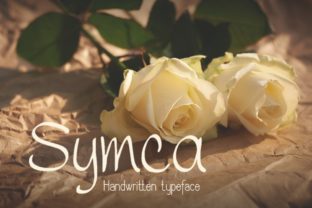
Symca is not just a font; it is a visual statement. Because it was drawn by hand, it carries a natural rhythm and flow that machine-generated scripts often lack. This human touch is crucial for building trust and connection with users. In an era where websites can feel sterile and corporate, Symca injects personality without sacrificing clarity.
The typeface works exceptionally well for headlines, titles, and short phrases. Its structure allows it to command attention in hero sections, where the first few seconds of user engagement determine whether they stay or leave. The curves and connections in the letters create a sense of movement, guiding the eye across the screen. This makes it ideal for:
- Hero Section Headlines: Use Symca to create a memorable first impression on your homepage or landing page.
- Call-to-Action (CTA) Accents: While full sentences might be hard to read in script, using Symca for button labels like "Shop Now" or "Get Started" adds a premium, custom feel.
- Section Dividers: Use the font for subheadings to break up content and improve scanning behavior.
- Digital Branding Assets: From social media graphics to email headers, Symca ensures consistent brand recognition across all touchpoints.
Enhancing Readability and User Experience
One of the biggest concerns when using script fonts in web design is readability. If a font is too complex, users struggle to process the information, leading to higher bounce rates. Symca mitigates this risk through its clean lines and balanced proportions. However, strategic application is key to maintaining a positive user experience.
For body copy, it is generally recommended to pair Symca with a simple sans serif font or a clean serif font. This pairing strategy leverages the strengths of both typefaces: Symca provides the emotional hook and brand voice in headings, while the secondary font ensures long-form text remains legible on mobile screens and desktop monitors alike. This contrast creates a clear visual hierarchy, helping users quickly identify what is important.
When designing for responsive layouts, consider how Symca performs at smaller sizes. On mobile devices, space is limited, and screen real estate is precious. Using Symca for short, impactful phrases rather than long paragraphs ensures that your message is conveyed quickly and effectively. For dark backgrounds, ensure there is sufficient contrast between the text and the background color. Light backgrounds also work beautifully with Symca, allowing the handwritten details to shine without causing eye strain.
Practical Applications for Digital Products
Symca’s versatility makes it suitable for a wide range of digital projects. Here are some practical examples of how you can integrate this font into your workflow:
- Creative Portfolios: For designers, photographers, or artists, Symca can be used to title project cases. It reflects creativity and attention to detail, qualities that clients look for in a creative partner.
- Boutique Online Stores: E-commerce sites benefit from a personal touch. Use Symca for product names, sale banners, or thank-you messages. It elevates the perceived value of the products and enhances the unboxing experience digitally.
- Coaching and Consulting Websites: Service-based businesses thrive on trust and authenticity. Symca’s hand-drawn aesthetic feels genuine and approachable, helping coaches and consultants connect with their audience on a human level.
- Course Sales Pages: In the education sector, clarity is paramount. Use Symca for the main headline to grab attention, then switch to a readable sans serif for the curriculum details. This combination keeps the layout engaging while ensuring information is accessible.
- Blog Headers and Graphics: Enhance your blog posts with custom header images featuring Symca. It adds a layer of polish that distinguishes your content from generic templates.
Font Pairing Strategies for Web Design
To maximize the impact of Symca, thoughtful font pairing is essential. Since Symca is a display font with strong character, it needs a neutral counterpart to balance the composition. A modern sans serif font, such as a geometric or humanist style, pairs well with Symca for a contemporary look. This combination works particularly well for tech startups, SaaS platforms, and modern brands.
Alternatively, pairing Symca with a classic serif font can create an editorial or luxury vibe. This is effective for fashion brands, lifestyle blogs, or high-end product launches. The juxtaposition of the handwritten script with the structured serifs creates a sophisticated tension that is visually appealing. When selecting a pairing, consider the weight and x-height of the secondary font to ensure harmony. The goal is to create a cohesive typographic system that supports your brand narrative.
Licensing and Technical Considerations
Before integrating Symca into your projects, it is important to review the licensing terms. Commercial font licensing varies depending on the use case. If you are using Symca for client projects, online stores, or digital templates, ensure that your license covers these specific applications. Many premium fonts offer different tiers for web usage, print, and extended distribution.
Additionally, check the available file formats and styles. A comprehensive font package typically includes regular, bold, and italic variants, which provide flexibility in your designs. Look for OpenType features if available, such as ligatures or alternate characters, which can add extra flair to your headlines. Webfont availability is another critical factor; ensure that Symca is optimized for fast loading times to maintain good Core Web Vitals scores.
Symca is more than just a decorative element; it is a strategic design asset. By understanding its strengths and limitations, you can use it to create websites that are not only beautiful but also functional and conversion-focused. Whether you are crafting a brand identity from scratch or refreshing an existing site, Symca offers the perfect blend of hand-crafted charm and digital professionalism.